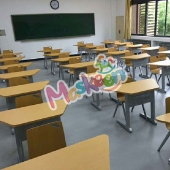
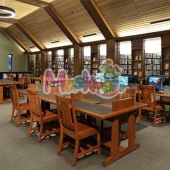
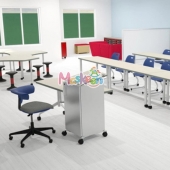
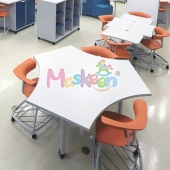
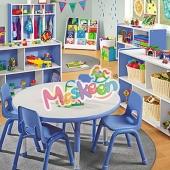
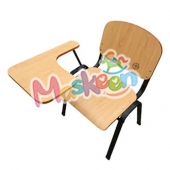
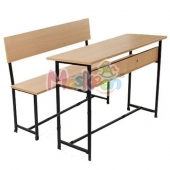
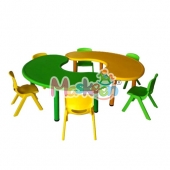
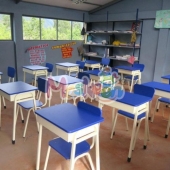
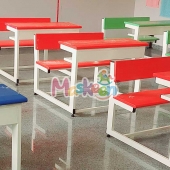
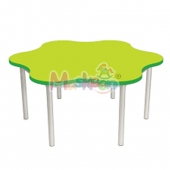
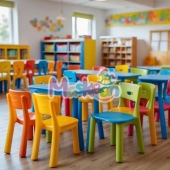
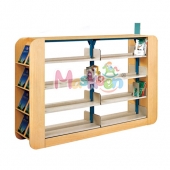
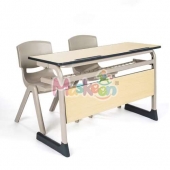
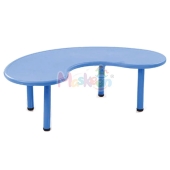
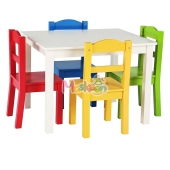
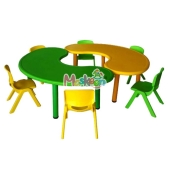
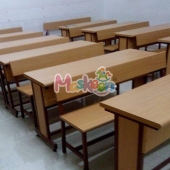
The modern educational landscape is changing at a rapid pace. From kindergartens to universities, the design of learning environments now reflects the evolving requirements of students, teachers and institutions alike. The focus has shifted from rigid, one-size-fits-all setups to flexible, multi-functional spaces that promote creativity and collaboration. This is where modular ideas are taking the spotlight, transforming how furniture supports both learning and living in academic settings. Today, College Furniture Manufacturers like Maskeen Toys Pvt. Ltd., are embracing modularity not just as a design trend but as a philosophy that promotes adaptability, sustainability, and originality. Modular furniture enables institutions to create spaces that grow, move, and change, just like the students who use them.
Enhancing Collaboration Through Smart Design
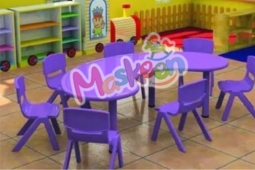
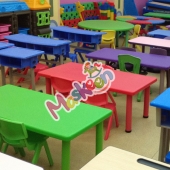
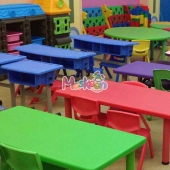
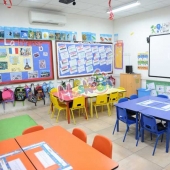
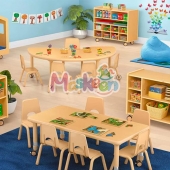
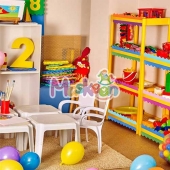
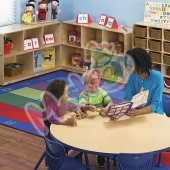
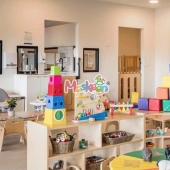
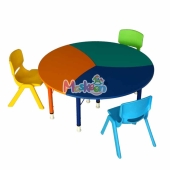
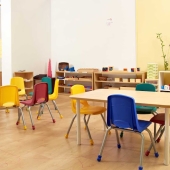
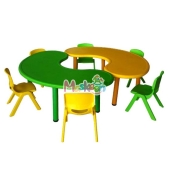
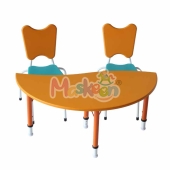
Collaboration is at the heart of modern education. The days of one-directional learning are declining as group work, brainstorming sessions, and peer-led discussions become standard. Modular concepts support this shift by making classrooms more interactive and engaging. Just as early learners rearrange blocks and toys in their Play School Furniture setups, college students too benefit from environments that adapt to their curiosity and partnership needs.
Designs That Bring Students Together
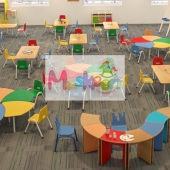
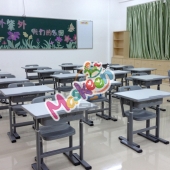
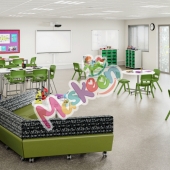
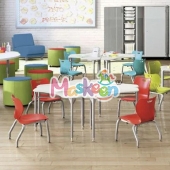
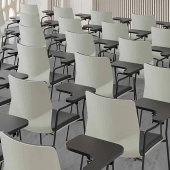
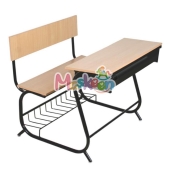
- Movable desks and sectional seating promote teamwork by allowing students to face each other and interact naturally.
- Multi-functional tables and portable partitions aid teachers to quickly adapt layouts to suit the lesson format or class size.
- Comfortable yet flexible conceptions encourage participation, creativity and stronger communication among students.
Flexibility: The New Definition of Learning Spaces
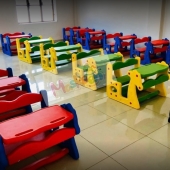
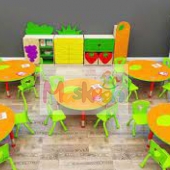
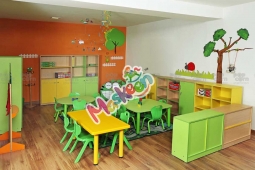
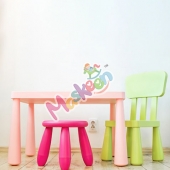
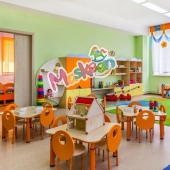
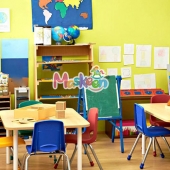
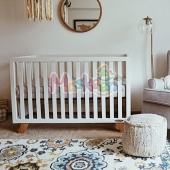
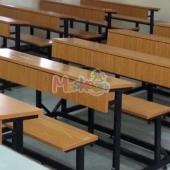
Colleges today are no longer confined to traditional lecture halls and static classroom layouts. Learning happens everywhere, from libraries and lounges to outdoor areas and innovation labs. Modular furniture makes it possible to adapt these spaces to different teaching styles, activities, and group sizes without compromising comfort or style. This concept mirrors the adaptability found in Play School Furniture, where every piece is designed to encourage movement, creativity, and exploration.
Creating Spaces That Evolve With Learning
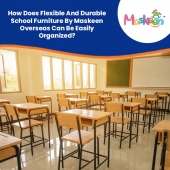
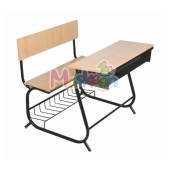
- Modular designs allow furniture to be rearranged easily, allowing smooth transitions between group discussions, solo study sessions and collaborative projects.
- Interchangeable components like desks, seating units, and storage pieces can be moved or reassembled, giving students control over their environment and boosting engagement.
- Flexible setups ensure that institutions can repurpose spaces for new needs, saving both money and resources in the long term.
The Balance Between Functionality and Aesthetics
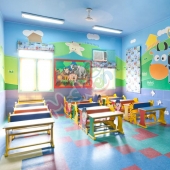
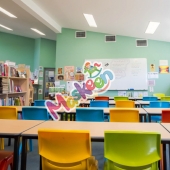
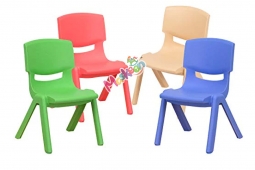
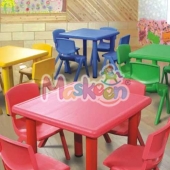
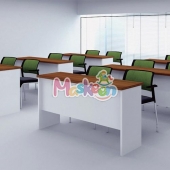
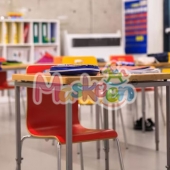
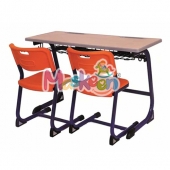
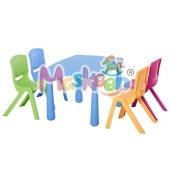
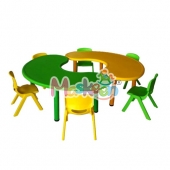
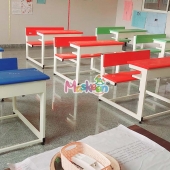
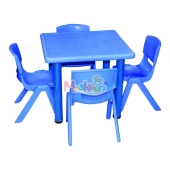
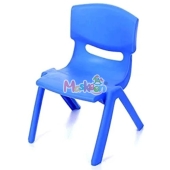
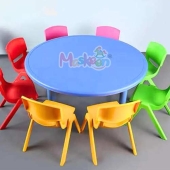
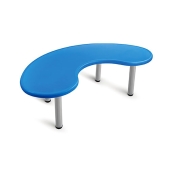
The appeal of modular furniture lies in its ability to mix form and function seamlessly. Colleges no longer view furniture as static equipment but as an integral part of their identity and culture. Clean lines, vibrant tones and minimalistic styles give campuses a modern aesthetic while maintaining comfort and practicality. This thoughtful combination of beauty and usability draws parallels with the design principles of Plastic School Furniture.
Design That Supports Mindful Learning
- Modular furniture pieces are made to promote open, clutter-free spaces that help reduce stress and improve focus among students.
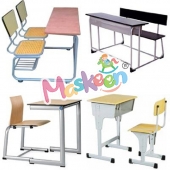
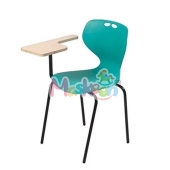
- A combination of materials, wood, metal, and plastic, adds durability and style while adjusting with the institution’s design language.
- Modern aesthetics aid to create an inspiring environment that encourages learning, collaboration, and self-expression.
Sustainability at the Core of Modular Innovation
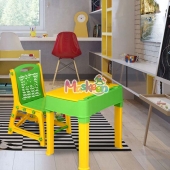
Sustainability is no longer just an environmental concern, it’s a design priority. Modular furniture naturally supports sustainability by encouraging reuse, reconfiguration, and responsible material selection. Colleges and universities that invest in modular systems find that they can reduce waste and lessen costs while contributing to a greener future. For example, Kindergarten Furniture often features non-toxic finishes, lightweight frames and recyclable materials setting early examples of responsible design.
Building a Greener Tomorrow
- Modular units are designed for longevity, assuring fewer replacements and a smaller carbon footprint over time.
- Many manufacturers now use eco-friendly materials such as recycled metal or responsibly sourced wood, emphasising environmental accountability.
- Reconfigurable furniture means institutions can adapt existing pieces to new requirements instead of discarding and replacing them, reducing landfill waste significantly.
Technology Integration in Modular Design
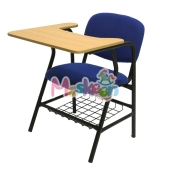
Technology plays an important role in shaping today’s educational experiences. From hybrid learning setups to digital presentations, classrooms must perfectly integrate tech without compromising design or comfort. Modular furniture offers built-in adaptability for this evolution. Smart desks with integrated charging ports, movable screens and cable management systems make it easier for institutions to assist both in-person and virtual learning.
A Future Built on Simplicity, Movement and Meaning
The momentum for modular design in education is indicative of a larger cultural shift toward adaptability, sustainability, and student-centric learning. This transition moves away from static and outmoded systems toward spaces that inspire, evolve and empower. From bright, engaging early learning center pieces to the smooth, transformative furniture of modern campuses, the single, unifying goal is to create environments that support human learning through interaction, curiosity, and experience.